electrolux refrigerator manual
Welcome! This manual guides you through your Electrolux refrigerator’s features, ensuring optimal performance and longevity for delightful camping adventures and convenient outdoor cooking.
Understanding Your Model Number
Locating Your Model Number: Your Electrolux refrigerator’s model number is crucial for accessing specific support, ordering replacement parts, and downloading the correct documentation. It’s typically found on a sticker located inside the refrigerator compartment. Common locations include the side wall, near the crisper drawers, or on the frame around the door opening.
Decoding the Information: The model number is a combination of letters and numbers that identifies the unique characteristics of your appliance. It reveals details like the refrigerator’s size, features (such as ice maker or water dispenser), color, and manufacturing date. Understanding this code allows for precise identification when contacting customer service or searching online for assistance.
Why It Matters: Having your model number readily available streamlines the troubleshooting process. It ensures you receive accurate advice and compatible parts, preventing delays and potential compatibility issues. Keep this number recorded in a safe place for future reference, alongside your purchase date and warranty information.
Safety Precautions
Important Safety Instructions: Before operating your Electrolux refrigerator, carefully read and understand these safety precautions to prevent injury or damage. Electrical Safety: Always ensure the refrigerator is properly grounded. Never use extension cords or adapters. If the power cord is damaged, it must be replaced by a qualified technician.
Operational Safety: Do not store flammable materials or liquids inside the refrigerator. Avoid overloading electrical outlets. Keep ventilation openings clear of obstructions. Never attempt to repair the refrigerator yourself; contact authorized service personnel for assistance.
Child Safety: Supervise children around the refrigerator. Remove doors if they pose a trapping hazard. Cleaning Safety: Disconnect the refrigerator from the power supply before cleaning. Use only mild detergents and avoid abrasive cleaners. Proper adherence to these guidelines ensures safe and reliable operation.
Getting Started
Initial Steps: Prepare for seamless operation by carefully positioning your Electrolux refrigerator and connecting it to a grounded power source for optimal performance.
Initial Setup and Installation
Unpacking and Inspection: Carefully unpack your new Electrolux refrigerator, checking for any shipping damage. Report any issues immediately to the retailer. Remove all packing materials, both inside and outside the unit, including tape and protective films.
Location Considerations: Position the refrigerator on a level, stable floor, ensuring adequate ventilation around the sides and back – at least 2 inches. Avoid direct sunlight and heat sources like stoves or radiators. Ensure the floor can support the refrigerator’s weight when fully loaded.
Electrical Connection: Before plugging in, verify the voltage and frequency match your household supply. Use a dedicated, grounded electrical outlet. Avoid extension cords if possible; if necessary, use a heavy-duty extension cord rated for the refrigerator’s amperage. Allow the refrigerator to stand upright for at least four hours before plugging it in to allow the refrigerant to settle.
Door Adjustment: Check that the doors close properly and seal tightly. Adjust the leveling feet to ensure the refrigerator is stable and the doors align correctly. Proper sealing is crucial for efficient cooling;
Temperature Control Settings
Refrigerator Compartment: The temperature in the refrigerator is adjusted using a dial or digital control panel, typically ranging from 1 to 9 (or similar scale). A mid-range setting (around 4-5) is generally recommended for optimal food preservation. Lower numbers indicate colder temperatures, while higher numbers are warmer. Allow 24 hours for the temperature to stabilize after adjustment.
Freezer Compartment: The freezer temperature is often linked to the refrigerator setting, but some models have independent controls. Maintaining a freezer temperature of 0°F (-18°C) is ideal for long-term food storage. Avoid setting the freezer too cold, as this can lead to energy waste.
Quick Cool/Freeze: Utilize the “Quick Cool” or “Quick Freeze” function for rapidly cooling new groceries or freezing fresh items. This temporarily lowers the temperature to accelerate the process, then returns to the set level.
Monitoring Temperature: Regularly check the refrigerator and freezer temperatures using a thermometer to ensure they are within the recommended ranges. Adjust settings as needed to maintain optimal food safety and quality.
Refrigerator Features
Explore versatility! Discover adjustable shelving, humidity-controlled crisper drawers, and a well-organized freezer compartment designed for efficient storage and convenient access.
Adjustable Shelves and Door Bins
Maximize Space & Flexibility: Your Electrolux refrigerator is designed with adaptability in mind. The adjustable shelves allow you to customize the interior layout to accommodate items of various heights and sizes – from tall pitchers of lemonade to oversized casserole dishes. Easily reconfigure the shelving to create more vertical space for bulky items or remove a shelf altogether for exceptionally tall objects.
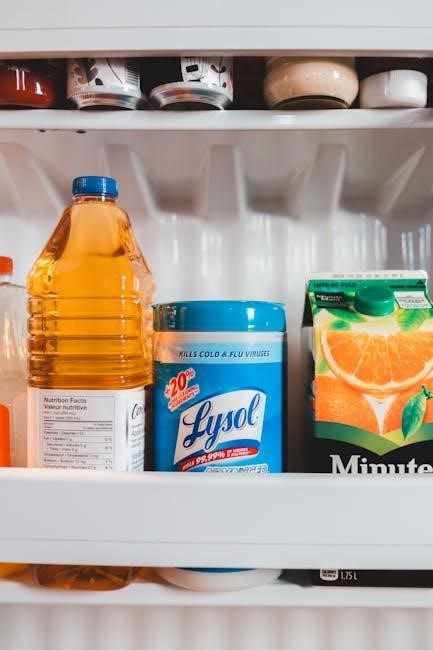
Door Bin Convenience: The door bins are equally versatile, offering adjustable configurations to suit your storage needs. Many models feature adjustable door bins that can be moved up or down, or even removed, to create space for larger containers like gallon jugs of milk or juice. These bins are ideal for storing frequently used items like condiments, beverages, and snacks, keeping them readily accessible.
Durable & Safe: Electrolux utilizes high-quality, durable materials for both the shelves and door bins, ensuring they can withstand regular use and maintain their integrity over time. Glass shelves are often tempered for added strength and safety, while the door bins are constructed from robust plastic designed to resist cracking or breaking.
Crisper Drawers: Humidity Control
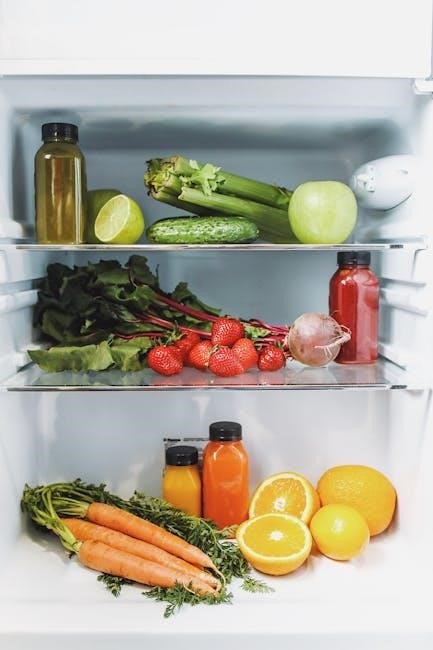
Preserve Freshness Longer: Electrolux refrigerators feature crisper drawers engineered to maintain optimal humidity levels for your fruits and vegetables, extending their freshness and reducing food waste. These drawers aren’t simply containers; they’re dedicated environments designed to slow down the spoiling process.
Adjustable Humidity Settings: Many models offer adjustable humidity control, allowing you to tailor the environment to specific produce types. Higher humidity settings are ideal for leafy greens and vegetables that wilt easily, while lower humidity settings are best for fruits prone to rotting. This precise control prevents premature spoilage and keeps your produce crisp and flavorful.
Sealed Design: The crisper drawers boast a sealed design, preventing moisture loss and maintaining a consistent internal climate. This minimizes the transfer of ethylene gas – a natural ripening agent – between different types of produce, further extending their shelf life. Regularly check and remove any spoiled items to maintain optimal conditions.
Freezer Compartment Organization
Maximize Freezer Space: Efficient organization within your Electrolux freezer compartment is crucial for preserving food quality and maximizing storage capacity. A well-organized freezer simplifies locating items and minimizes food waste, saving you both time and money.
Removable Shelves & Drawers: Utilize the removable shelves and drawers to create designated zones for different food categories. This allows for easy access and prevents items from getting lost at the bottom of the freezer. Consider using baskets or bins to further compartmentalize smaller items like frozen vegetables or berries.
Proper Packaging: Always package food properly in airtight containers or freezer bags, removing as much air as possible. This prevents freezer burn and maintains food quality. Label and date all items for easy identification and to track storage duration. Rotate older items to the front to ensure they are used first, promoting a “first in, first out” system.
Maintenance and Cleaning
Regular upkeep ensures peak performance! Clean interiors promptly, defrost efficiently, and maintain components for lasting reliability and optimal food preservation within your Electrolux.
Cleaning the Interior
Routine cleaning is vital for maintaining a hygienic and efficient refrigerator environment. Before commencing, always disconnect the appliance from the power supply to ensure safety. Remove all food items, shelves, drawers, and door bins. Wash these removable parts with warm, soapy water, then rinse thoroughly and dry completely before replacing them.
For the interior surfaces, prepare a solution of mild detergent and warm water. Avoid abrasive cleaners, scouring pads, or harsh chemicals, as these can damage the refrigerator’s finish. Gently wipe down all interior walls, the ceiling, and the floor of the refrigerator compartment. Pay particular attention to spills or stains, addressing them promptly to prevent them from becoming difficult to remove.
Rinse the surfaces with a clean, damp cloth to remove any detergent residue. Finally, dry the interior thoroughly with a soft cloth. Consider placing an open box of baking soda inside the refrigerator to absorb odors and maintain freshness. Repeat this cleaning process at least once a month, or more frequently if needed, to keep your Electrolux refrigerator in optimal condition.
Defrosting Procedures (Manual & Frost-Free)
Electrolux refrigerators come in both manual and frost-free models, each requiring different defrosting procedures. Frost-free models automatically remove frost, needing no manual intervention. However, manual defrost models accumulate frost over time, impacting cooling efficiency.
For manual defrost models: Begin by disconnecting the refrigerator from the power supply. Remove all food items. Place towels around the base to absorb melting water. Leave the door open for several hours, allowing the frost to melt naturally. Never use sharp objects to chip away ice, as this can damage the interior. Once melted, wipe away any remaining water and dry thoroughly.
For frost-free models: While generally maintenance-free, occasional cleaning of the defrost drain is recommended. Locate the drain (usually at the back of the freezer) and clear any blockages with a pipe cleaner or warm water. This ensures proper water drainage and prevents ice buildup. Regular cleaning maintains optimal performance for both types of Electrolux refrigerators.
Troubleshooting Common Issues
Facing problems? This section offers solutions for typical Electrolux refrigerator issues, from cooling failures to ice maker malfunctions, ensuring quick resolutions for seamless operation.
Refrigerator Not Cooling
Problem: If your Electrolux refrigerator isn’t cooling, first check the power supply and ensure it’s securely plugged in. Verify the temperature settings haven’t been accidentally adjusted to a warmer level. A common issue is a blocked condenser coil, located at the back or bottom of the unit; carefully clean it with a vacuum cleaner brush attachment.
Further Checks: Inspect the door seals for any gaps or damage, as compromised seals allow warm air to enter. Ensure nothing is obstructing the vents inside the refrigerator, which circulate cold air. If your model has a fan, confirm it’s running smoothly. A faulty start relay or compressor can also cause cooling issues, potentially requiring professional service.
Important Note: Avoid repeatedly opening the door while troubleshooting, as this raises the internal temperature. If the problem persists after these checks, contact Electrolux customer support or a qualified appliance technician for assistance. Do not attempt repairs you are not comfortable with.
Ice Maker Problems
Issue: Experiencing issues with your Electrolux ice maker? First, confirm the ice maker is switched ‘on’ – often a small switch within the freezer compartment. Ensure the water supply line is properly connected and the water supply valve is fully open. A frozen water line is a frequent culprit; check for ice blockages and thaw if necessary.
Troubleshooting Steps: If ice production is slow, verify the freezer temperature is set correctly (typically around 0°F or -18°C). A clogged water filter can significantly reduce ice production; replace it according to the manufacturer’s recommendations. Listen for unusual noises – a clicking sound might indicate a jammed ice cube.
Further Assistance: If the ice maker continues to malfunction, consult the full manual for specific troubleshooting steps related to your model. Contact Electrolux support or a qualified technician if the problem persists, as internal component issues may require professional attention.
Advanced Features
Explore smart connectivity! Discover water filter replacement guidance and innovative features designed to elevate your Electrolux refrigerator experience for optimal performance.
Water Filter Replacement
Maintaining optimal water quality is crucial for your Electrolux refrigerator. Regularly replacing the water filter ensures fresh-tasting water and ice. The filter’s lifespan typically ranges from six months, but may vary based on water quality and usage.
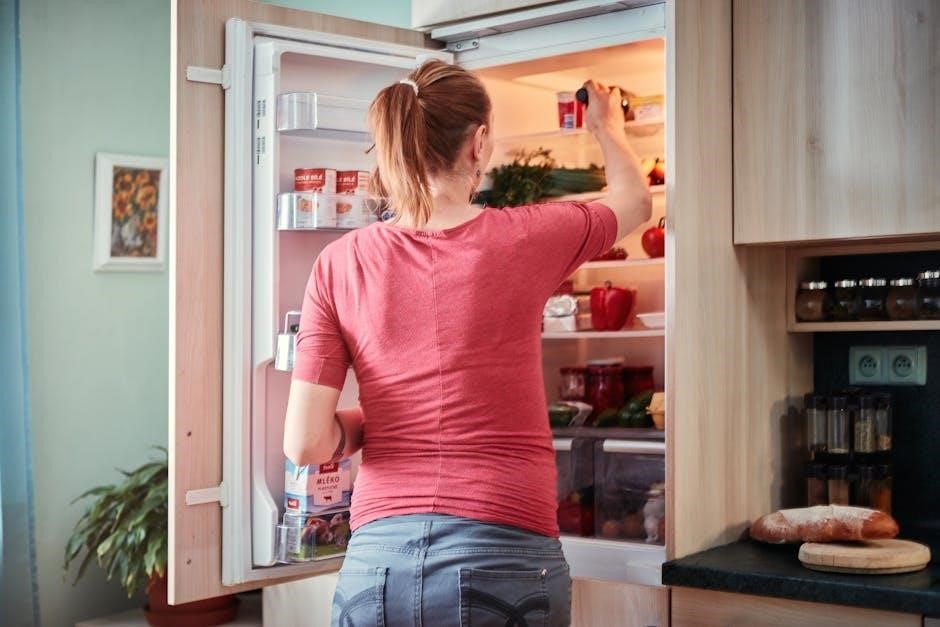
To replace the filter: First, locate the filter compartment, usually within the refrigerator or along the water line. Gently twist and remove the old filter, noting its orientation. Before installing the new filter, it’s recommended to activate it under cold water for a few minutes to remove any air or loose particles. Align the new filter with the compartment and twist it into place until secure.
Resetting the filter indicator is essential. Consult your refrigerator’s control panel for specific instructions, often involving pressing and holding a designated button. Proper filter replacement and resetting guarantee continued access to clean, filtered water and ice, enhancing your overall refrigerator experience. Refer to your model’s specific instructions for detailed guidance.
Smart Features & Connectivity
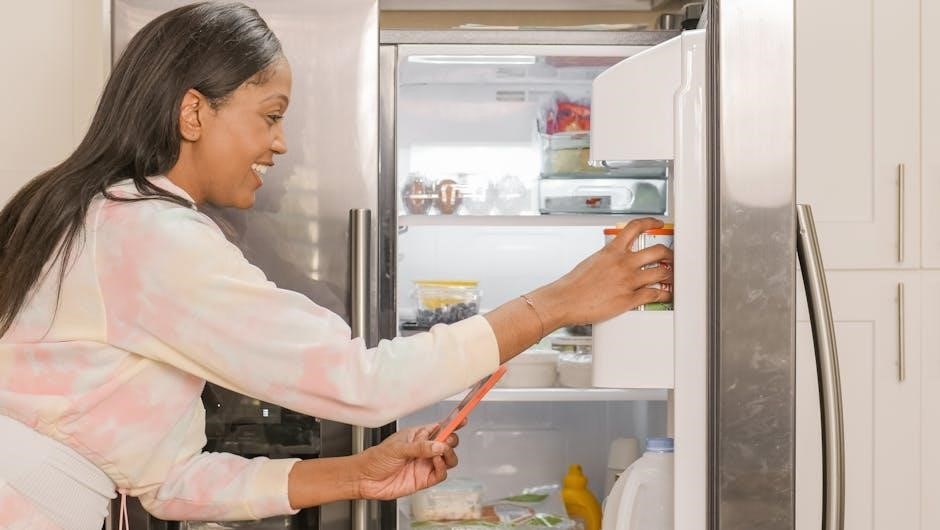
Electrolux refrigerators increasingly integrate smart technology for enhanced convenience and control; Many models offer Wi-Fi connectivity, allowing remote monitoring and adjustment via a dedicated mobile app. Through the app, you can regulate temperature settings, receive alerts for door ajar or power outages, and even diagnose potential issues.
Voice control integration with platforms like Google Assistant or Amazon Alexa is also available on select models, enabling hands-free operation. Some refrigerators feature internal cameras, allowing you to view contents remotely via your smartphone – perfect for grocery shopping!
Software updates are automatically downloaded to improve performance and introduce new features. Ensure your refrigerator is connected to a stable Wi-Fi network to benefit from these enhancements. Detailed instructions on connecting your refrigerator and utilizing its smart features can be found within the app and the full online manual.