
jockey size guide
Jockey Size Guide: A Comprehensive Overview (Updated December 30‚ 2025)
Navigating the world of jockey sizing requires understanding historical shifts‚ current regulations‚ and the impact of physique on performance‚ as seen with figures like Mike Smith.
Jockey sizing is a complex intersection of athleticism‚ regulation‚ and horse welfare‚ evolving significantly over decades. Historically‚ jockeys were notably smaller‚ but modern demands necessitate a balance between lightweight builds and core strength. Gabriel Saez’s understanding of a horse’s comfort‚ like Eight Belles’ preference for the rail‚ highlights the importance of rider adaptation.
Today‚ maintaining optimal weight is crucial‚ impacting both performance and long-term health‚ as evidenced by Earlie Fires’ lengthy career. Trainers prioritize spacing races (5-6 weeks minimum) to protect fragile Thoroughbreds‚ influencing jockey availability and strategic planning.
Historical Context of Jockey Size
The history of jockey size reveals a gradual shift influenced by breeding‚ racing styles‚ and safety concerns. Early standards favored exceptionally small individuals‚ prioritizing minimal weight over physical stature. This era often saw riders sacrificing health for competitive advantage. The tragic case of Ron Hansen‚ a jockey whose remains were discovered in 2005‚ underscores past vulnerabilities and potential exploitation.
Over time‚ increased awareness of jockey well-being led to evolving regulations and a move towards riders with more balanced physiques. The need for strength and control alongside lightness became paramount‚ shaping the modern profile.
Evolution of Jockey Weight Requirements
Jockey weight regulations have undergone significant evolution‚ initially prioritizing extremely low weights to minimize impact on horse speed. Early racing saw minimal restrictions‚ leading to riders employing drastic measures to meet unofficial targets. As the sport matured‚ formalized weight limits emerged‚ aiming for fairness and horse welfare.
The introduction of weights and the “iron” allowed jockeys to strategically adjust their load‚ influencing race outcomes. Modern regulations‚ while still strict‚ acknowledge the importance of rider health and safety‚ balancing competitive demands with ethical considerations.
Early Jockey Size Standards
Historically‚ early jockey size standards were largely informal‚ driven by a need for lightweight riders capable of minimizing burden on the thoroughbreds. There was a preference for smaller stature individuals‚ often children or young adults‚ as their reduced weight was deemed advantageous.
Formalized standards were slow to develop‚ with emphasis placed on achieving the lowest possible weight rather than establishing specific height or build guidelines. This era often saw riders resorting to unhealthy practices to maintain a competitive edge‚ highlighting the challenges of early racing;
Understanding Jockey Weight and Height
Jockey weight and height are intrinsically linked to performance‚ demanding a delicate balance for optimal riding. While there isn’t a ‘standard’ size‚ the average jockey height typically falls between 5’0” and 5’8”‚ with weights ranging from 108 to 140 pounds‚ often meticulously managed.

Height influences reach and balance‚ while weight directly impacts the horse’s load. Skilled jockeys‚ like Gabriel Saez‚ adapt their style to suit both their physique and the horse’s preferences‚ showcasing the nuanced relationship.
Average Height and Weight of Jockeys
Determining a precise average for jockey height and weight proves challenging due to varying regulations and individual builds. Generally‚ jockeys stand between 5’0” and 5’8”‚ with a weight typically fluctuating between 108 and 140 pounds. However‚ these figures are often actively managed to meet race-specific minimum weight requirements.
Earlie Fires‚ a Hall of Fame jockey‚ exemplifies the dedication to maintaining a competitive physique throughout a lengthy career. These averages underscore the physical demands placed upon these athletes.
The Relationship Between Height and Riding Style
A jockey’s height significantly influences their riding style and effectiveness‚ impacting balance and communication with the horse. Taller jockeys may favor a more assertive‚ strength-based approach‚ while shorter jockeys often excel in maintaining a low center of gravity for enhanced control.
Gabriel Saez’s ability to adapt to a filly’s preference for the rail demonstrates how a jockey’s technique must complement the horse’s tendencies‚ regardless of stature.
Factors Influencing Jockey Size
Several key factors beyond inherent physical attributes dictate optimal jockey size‚ impacting performance and horse welfare. Breed compatibility is crucial; certain breeds may respond better to jockeys with specific builds. Track conditions also play a role‚ with softer surfaces potentially favoring lighter riders to minimize strain.

Thoroughbred fragility necessitates careful consideration of race spacing‚ influencing a jockey’s need for consistent weight and fitness. These elements intertwine to define ideal size.
Breed of Horse and Jockey Compatibility
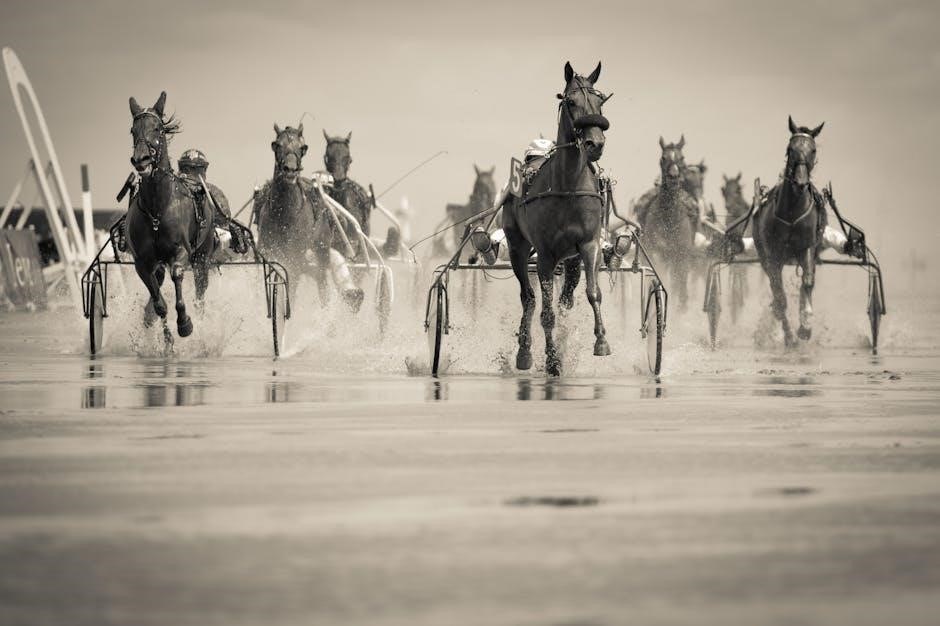
The synergy between horse breed and jockey physique is paramount for successful racing. Different breeds possess varying muscle structures and gaits‚ demanding jockeys adapt their riding style and weight distribution. A lighter jockey might suit a more delicate Thoroughbred‚ while a sturdier build could benefit a Quarter Horse.
Gabriel Saez’s understanding of a filly’s preference for the rail exemplifies adapting to a horse’s comfort‚ highlighting breed-specific rider adjustments.
Track Conditions and Jockey Physique
Varying track conditions significantly influence the ideal jockey physique. A muddy or yielding surface demands a jockey with core strength to maintain balance and effectively guide the horse‚ preventing fatigue for both. Conversely‚ a firm track might favor a lighter jockey minimizing strain.
Thoroughbred fragility‚ requiring ample spacing between races‚ underscores the need for a jockey who can conserve the horse’s energy‚ adapting to the track’s demands.

Jockey Apparel and Sizing
Properly fitted apparel is crucial for a jockey’s safety and performance. Helmet sizing must be precise‚ ensuring maximum protection during potential falls‚ while boots require a snug‚ secure fit for optimal control. Breeches and vests are designed for flexibility and a streamlined profile.
These garments aren’t merely clothing; they’re essential equipment‚ impacting a jockey’s ability to effectively communicate with and guide their mount during races.

Helmet Sizing for Jockeys
Jockey helmets are meticulously sized to provide crucial head protection during races‚ a non-negotiable safety measure. Accurate measurement is paramount‚ considering head circumference and shape for a secure‚ comfortable fit. Ill-fitting helmets compromise safety‚ potentially leading to severe injury during a fall.
Manufacturers offer various sizes‚ and proper adjustment via straps is vital. Regular inspection for damage is also essential‚ ensuring the helmet maintains its protective integrity.
Boot Sizing and Fit for Jockeys
Jockey boots are specialized equipment demanding a precise fit‚ crucial for maintaining control and stability while riding. Proper sizing considers both length and width‚ accommodating the jockey’s foot shape and ensuring a snug‚ yet comfortable‚ feel. Loose boots can slip through stirrups‚ posing a significant safety hazard.
High-quality leather construction is standard‚ offering durability and support. Break-in periods are common‚ and careful attention to ankle support is vital for preventing injuries.
Breeches and Vest Sizing Considerations
Jockey breeches prioritize a streamlined fit‚ allowing for unrestricted leg movement and a secure seat in the saddle. Sizing focuses on waist and inseam measurements‚ often requiring custom tailoring for optimal comfort and performance. The material‚ typically lightweight and durable‚ must permit flexibility.
Vests contribute to a professional appearance and provide an additional layer of warmth. Proper vest fit ensures it doesn’t interfere with arm movement or riding posture‚ complementing the breeches for a cohesive‚ functional ensemble.
Weight Regulations in Horse Racing
Horse racing enforces strict weight regulations to ensure fair competition‚ assigning minimum weights to jockeys based on their mount’s assigned handicap. Jockeys often carry significantly less weight than the average person‚ demanding rigorous physical conditioning and dietary control. When a jockey cannot meet the minimum weight‚ they utilize weights – small metal pieces carried in saddlecloth pockets – or the “iron.”
These regulations aim to equalize the burden on horses‚ preventing lighter jockeys from having an unfair advantage. Maintaining compliance is crucial for participation.
Minimum Weight Requirements for Jockeys
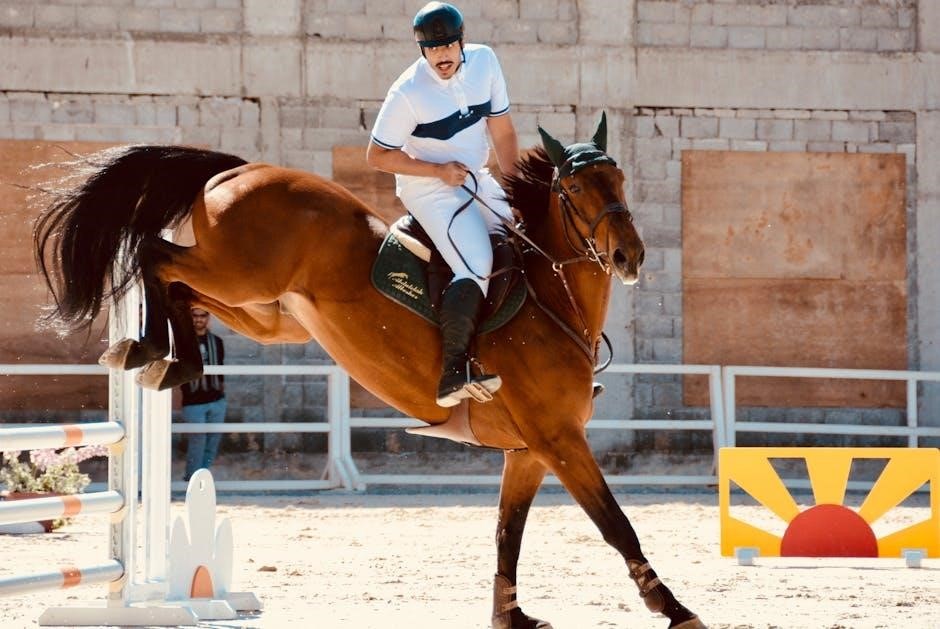
Minimum weight requirements for jockeys vary by racing jurisdiction‚ typically falling between 118 and 126 pounds‚ including riding attire. These standards are established to level the playing field‚ ensuring horses carry comparable loads. Jockeys frequently weigh in before races to confirm compliance‚ facing penalties for exceeding the limit.
The assigned weight considers the horse’s past performance and handicap‚ influencing the jockey’s need to utilize weights or maintain a low body weight. Strict adherence is paramount for participation.
Use of Weights and the “Iron”
When a jockey’s weight falls below the assigned post weight‚ they must carry lead weights‚ often referred to as “irons‚” secured in saddlecloth pockets. These weights‚ typically in pound increments‚ ensure equitable conditions for all competitors. The “iron” itself is a traditional saddle weight‚ historically made of lead.
Jockeys skillfully manage these added weights during races‚ impacting balance and horse control. Maintaining a precise weight is crucial‚ demanding discipline and careful dietary management.
Famous Jockeys and Their Physical Attributes
Examining renowned jockeys reveals diverse physiques suited to the demands of racing. Mike Smith‚ a Hall of Fame jockey‚ continues to excel‚ demonstrating longevity and skill. Earlie Fires‚ retiring in 2008 after a 44-year career‚ exemplified dedication. Gabriel Saez’s ability to adapt to a horse’s comfort‚ like Eight Belles’ preference for the rail‚ highlights intuitive riding.
These riders showcase how success isn’t solely about size‚ but about skill‚ adaptability‚ and a deep connection with their mounts.
Mike Smith: Height and Weight Profile
Hall of Fame jockey Mike Smith’s enduring career exemplifies success through adaptability and skill‚ not necessarily extreme physical characteristics. While precise current measurements are closely guarded‚ Smith has historically maintained a weight consistent with racing regulations‚ typically around 118-120 pounds. His height is estimated to be approximately 5’8”‚ a relatively average stature for a successful jockey.
Smith’s longevity‚ highlighted by a recent TrackGabe interview in 2025‚ suggests a focus on fitness and maintaining optimal riding weight throughout his career.
Earlie Fires: A Look at His Physique
Earlie Fires‚ a celebrated Hall of Fame jockey‚ retired in 2008 after a remarkable 44-year career‚ demonstrating consistent success despite evolving size expectations within the sport. While specific height and weight details from his prime are less readily available today‚ contemporary accounts suggest Fires was known for a compact and powerfully built frame.
His ability to consistently perform at a high level underscores that technique and horsemanship can often outweigh sheer physical stature in achieving racing excellence.
Gabriel Saez: Adapting to Horse Preferences
Gabriel Saez’s riding of Eight Belles in the 2008 Kentucky Derby highlights a crucial aspect of jockey size: understanding and accommodating individual horse preferences. Trainer Larry Jones noted that Eight Belles consistently drifted towards the rail‚ a comfort zone for the filly‚ and Saez was aware of this tendency;
This demonstrates a jockey’s skill isn’t solely about physical attributes‚ but also about sensitivity and adaptability to maximize a horse’s performance and well-being during a race.
The Impact of Jockey Size on Race Outcomes
Jockey weight profoundly influences horse performance‚ impacting both speed and stamina. Lighter jockeys reduce the load a horse carries‚ potentially enhancing its speed‚ while heavier jockeys may compromise a horse’s energy reserves over longer distances.
Furthermore‚ a comfortable jockey-horse pairing is vital; a poorly balanced or mismatched size can cause discomfort‚ hindering the horse’s stride and overall race outcome. Thoroughbreds’ fragility necessitates careful consideration of race spacing‚ impacting performance.
How Jockey Weight Affects Horse Performance
A jockey’s weight directly correlates to the burden on the horse‚ influencing its speed‚ acceleration‚ and endurance. Each additional pound requires the horse to expend more energy‚ potentially diminishing performance‚ especially during demanding races. Maintaining optimal weight is crucial for jockeys to minimize this impact.
Consideration must be given to the horse’s individual capacity; some horses handle heavier riders better than others. Skilled jockeys‚ like Gabriel Saez‚ adapt to a horse’s comfort zone‚ maximizing its potential.
Jockey Size and Horse Comfort
Horse comfort is paramount‚ and a jockey’s size significantly impacts this. A well-balanced partnership‚ where the jockey doesn’t overly strain the horse’s musculoskeletal system‚ is essential for optimal performance and the animal’s well-being. Horses‚ like the one ridden by Earlie Fires‚ often exhibit preferences.
Jockeys must be sensitive to these cues‚ adjusting their riding style to ensure the horse feels secure and unburdened. Proper weight distribution and a harmonious connection contribute to a more comfortable and effective ride.
Training and Fitness for Jockeys
Maintaining peak physical condition is crucial for jockeys‚ demanding a rigorous training regimen focused on both weight management and overall fitness. This involves a carefully balanced diet‚ often requiring significant discipline‚ alongside consistent cardiovascular and strength training.
Jockeys need exceptional core strength and endurance to withstand the physical demands of racing. Proper conditioning minimizes injury risk and allows them to effectively control their mount‚ as demonstrated by professionals like Mike Smith.
Maintaining a Healthy Weight
Jockeys face unique challenges in maintaining a healthy weight due to stringent regulations and the demands of their sport. This often necessitates a delicate balance between nutrition‚ exercise‚ and sometimes‚ the use of weights or the “iron” to meet minimum weight requirements for races.
Careful monitoring of caloric intake and expenditure is essential‚ alongside strategies to avoid compromising strength and endurance. Post-retirement weight management also presents difficulties‚ requiring continued dedication to fitness.
Strength and Conditioning for Jockeys
Beyond weight management‚ jockeys require targeted strength and conditioning programs to withstand the physical rigors of racing. Core strength is paramount for maintaining balance and control atop a horse‚ while leg strength aids in effective communication through leg cues.
Endurance training is crucial‚ as races demand sustained effort. Programs often incorporate cardiovascular exercises and resistance training‚ tailored to enhance performance and minimize injury risk‚ ensuring longevity in the sport.
Jockey Retirement and Physical Health
Retirement presents unique challenges for jockeys‚ often involving long-term health concerns stemming from years of intense physical demands and weight fluctuations. Frequent falls contribute to chronic pain‚ joint issues‚ and potential head trauma‚ necessitating ongoing medical attention.
Post-retirement weight management can also prove difficult‚ as the metabolic adaptations from years of restrictive dieting may persist. Proactive health monitoring and lifestyle adjustments are vital for sustained well-being.
Long-Term Health Concerns for Jockeys
Years in the saddle expose jockeys to significant risks‚ leading to a range of long-term health issues. Repeated falls frequently result in fractures‚ concussions‚ and chronic joint pain‚ particularly in the knees‚ ankles‚ and spine. The constant pressure to maintain a low weight can also contribute to eating disorders and metabolic imbalances.

Furthermore‚ the physically demanding nature of the sport increases the likelihood of developing arthritis and other degenerative conditions later in life‚ requiring ongoing management and care.
Post-Retirement Weight Management
Retirement presents unique challenges for jockeys regarding weight‚ as the intense demands of racing cease‚ often leading to rapid weight gain. Years of restrictive dieting and dehydration can disrupt metabolic processes‚ making healthy weight management difficult. Many struggle with adjusting to a normal eating pattern and maintaining physical fitness without the rigorous riding schedule.
Support systems and nutritional guidance are crucial for former jockeys to navigate this transition and mitigate potential health risks associated with weight fluctuations.
The Role of Family in a Jockey’s Career
Family support often forms the bedrock of a jockey’s career‚ extending beyond emotional encouragement to practical assistance and even inherited expertise. Tony Guymon’s story exemplifies this‚ with his son demonstrating exceptional handicapping skills – a talent potentially nurtured through familial involvement in racing.
Families frequently provide financial backing‚ logistical support during travel‚ and a crucial understanding of the demanding lifestyle. This intergenerational connection can significantly influence a jockey’s success and longevity.
Tony Guymon and His Son’s Handicapping Skills
Tony Guymon‚ a seasoned Quarter Horse jockey‚ showcases the familial transmission of racing acumen‚ as highlighted in a recent interview. His son’s remarkable talent for handicapping – the art of predicting race outcomes – demonstrates a deep understanding of the sport inherited through family experience.
This aptitude suggests a learned skill‚ honed by observing and analyzing races alongside a professional jockey. Such inherited knowledge can be invaluable‚ offering a unique perspective on horse performance and race dynamics.
Controversies and Concerns Regarding Jockey Weight
The pressure to maintain low weight has historically sparked controversy within horse racing‚ with instances of potential manipulation surfacing over the years. A case involving jockey Ron Hansen raised skepticism from the California Horse Racing Board‚ fearing scandal and its impact on betting confidence.
These concerns highlight the ethical dilemmas surrounding weight management and the potential for unsafe practices. Maintaining a healthy balance between performance demands and jockey well-being remains a critical challenge.
Past Scandals and Weight Manipulation
Historical investigations have revealed instances suggesting improper methods employed by jockeys to meet stringent weight requirements. The case of Ron Hansen‚ a top jockey whose remains were discovered in 2005‚ involved allegations of dealings with individuals potentially assisting in weight control – though details remain murky.
Such incidents fueled anxieties within the California Horse Racing Board‚ prompting heightened scrutiny to safeguard the integrity of the sport and protect jockeys from harmful practices.
The California Horse Racing Board’s Skepticism
The California Horse Racing Board (CHRB) historically demonstrated caution regarding potential scandals linked to jockey weight management. Concerns arose following investigations‚ like those surrounding jockey Ron Hansen’s case in 2005‚ where questionable business dealings surfaced.
The CHRB feared negative publicity and a decline in betting activity if weight manipulation practices were exposed‚ leading to a skeptical approach towards claims and a focus on maintaining public trust in the sport’s fairness.