
rubber dam clamp guide
Rubber Dam Clamp Guide: A Comprehensive Overview (02/01/2026)
Today’s date is 02/01/2026 18:41:21 (). This guide explores rubber’s unique properties, from indigenous origins to modern dental applications and manufacturing processes.
Rubber dam clamps are essential tools in modern dentistry, facilitating isolation during various procedures. Historically, rubber itself, originating with indigenous peoples of South and Central America, has evolved into a critical dental material. These clamps securely hold the rubber dam sheet in place, creating a dry and clean operating field.
Understanding their function requires acknowledging rubber’s unique polymeric structure – long, chain-like molecules – and its ability to bond with materials like metal. The occluded rubber, or carbon gel, impacts performance, while purified forms like DP-Poly enhance reliability. Proper clamp selection and application, considering tooth morphology, are paramount for successful isolation and optimal treatment outcomes. This guide details these aspects.
What is a Rubber Dam and Why Use Clamps?
A rubber dam is a thin, latex or non-latex sheet used to isolate a tooth or teeth during dental procedures. Its origins trace back to early uses by South and Central American indigenous populations. The primary purpose is to create a dry, clean, and bacteria-free field, improving visibility and preventing contamination.
Clamps are crucial because the rubber dam, while effective, requires secure anchorage. Rubber’s inherent elasticity, stemming from its polymer structure (long chain molecules), necessitates a firm hold. Without clamps, the dam would likely dislodge. Furthermore, clamps ensure optimal adaptation, maximizing isolation benefits and enhancing procedural success, especially considering the impact of occluded rubber on performance.
Types of Rubber Dam Clamps
Rubber dam clamps are categorized based on their design and application. Winged clamps possess extensions (wings) that enhance stability, particularly useful for resisting displacement during procedures. Non-winged clamps offer a lower profile, ideal for situations with limited interproximal space or when greater access is needed.
Specialty clamps address unique clinical scenarios. These include molar clamps with longer shanks for posterior teeth, and orthodontic clamps designed to accommodate brackets. The material composition—stainless steel or plastic—also defines a type. Understanding these distinctions is vital for selecting the appropriate clamp, considering rubber’s bonding capabilities with other materials.
Winged Clamps

Winged clamps are characterized by lateral extensions, or “wings,” that provide increased retention and stability during rubber dam application. These wings engage the adjacent teeth, resisting dislodgement forces generated during dental procedures. They are particularly beneficial when dealing with teeth exhibiting unfavorable morphology or when prolonged isolation is required.
The wings distribute forces more evenly, minimizing the risk of clamp slippage. However, their bulkier design may limit access in certain situations. Considering rubber’s polymer structure and elasticity, winged clamps effectively utilize these properties for secure engagement, ensuring optimal isolation throughout treatment.
Non-Winged Clamps
Non-winged clamps, conversely, lack the lateral extensions found in their winged counterparts. This streamlined design offers improved access and visibility, especially in areas with limited space. They rely primarily on anatomical adaptation and precise seating for retention. These clamps are often preferred for anterior teeth or situations where unobstructed access is paramount.
While potentially less retentive than winged clamps, their simplicity allows for easier placement and removal. Understanding rubber’s sol and gel phases is crucial; a clamp’s flexibility must complement the rubber dam’s elasticity for a secure seal. Careful selection based on tooth morphology is essential for successful isolation.

Specialty Clamps
Specialty clamps address unique clinical scenarios beyond standard tooth isolation. These include clamps designed for erupted roots, impacted teeth, or fractured teeth where conventional clamps are unsuitable. They often feature modified jaw shapes or extended shanks to accommodate challenging anatomy. The ability to bond rubber with other materials, like metal, is vital in their construction.
Understanding the occluded rubber within the compound impacts performance; proper vulcanization ensures optimal elasticity. These clamps demand meticulous application, considering rubber’s polymer structure and the need for a tight seal. Deproteinized natural rubber (DP-Poly) may be utilized for enhanced purity and performance.
Clamp Selection Based on Tooth Morphology
Effective rubber dam isolation hinges on selecting the appropriate clamp based on individual tooth characteristics. Tooth morphology dictates the clamp type needed for stable and secure placement. The sol and gel phases within the rubber material influence clamp flexibility and adaptation to varying tooth shapes. Careful consideration ensures a tight seal and prevents slippage during procedures.
Understanding how rubber polymers interact is crucial. Different clamps are designed for anterior, premolar, and molar regions, accounting for crown shape, root anatomy, and interproximal space. Proper selection minimizes patient discomfort and maximizes isolation efficacy, utilizing the unique properties of natural or synthetic rubber.
Anterior Teeth Clamp Selection
Anterior teeth present unique challenges for clamp selection due to their typically smaller size and incisal edge proximity. Winged clamps are often preferred for anterior teeth, providing enhanced retention and stability. The flexibility of the rubber material, influenced by its sol and gel phases, is vital for adapting to the tooth’s shape without causing undue pressure.
Consider the interproximal space; narrower spaces may necessitate a smaller clamp size. Ensuring a proper fit prevents slippage and maintains isolation. Understanding the bonding characteristics of rubber with metal components in clamp design is also key for reliable performance. Prioritize patient comfort and effective isolation during anterior procedures.
Premolar Teeth Clamp Selection
Premolar clamp selection requires balancing retention and adaptation to the tooth’s broader surface. Both winged and non-winged clamps can be suitable, depending on the specific tooth and clinical situation. The occluded rubber, or carbon gel, within the clamp material impacts its ability to conform to the premolar’s contours.
Consider the presence of restorations or caries; modified clamps may be necessary. Stainless steel clamps offer durability, while plastic clamps provide gentler pressure. The elasticity of the rubber polymer structure is crucial for a secure, yet comfortable, fit. Proper clamp size is paramount to avoid displacement during procedures.
Molar Teeth Clamp Selection
Molar clamp selection demands robust retention due to the tooth’s size and occlusal forces. Typically, winged clamps are preferred for molars, providing enhanced stability. The occluded rubber within the clamp material influences its adaptability to the molar’s complex anatomy. Consider the molar’s root morphology and potential for interference.
Stainless steel clamps are generally recommended for their strength. The sol and gel phases within the rubber contribute to the clamp’s flexibility and sealing ability. Ensure the clamp’s jaws accurately engage the tooth without impinging on soft tissues. Proper sizing prevents slippage and maintains isolation throughout the procedure.
Understanding Clamp Anatomy
Rubber dam clamps aren’t simply metal shapes; they’re engineered for precise function. The clamp’s structure relies on a balance of material properties – natural or synthetic rubber’s elasticity is key. Understanding the components is crucial for effective application. The jaws grip the tooth, while the shank provides the handle for placement and removal.
The bow’s curvature dictates adaptation to tooth morphology, and the point contacts the occlusal surface. Bonding rubber with metal enhances stiffness. Occluded rubber impacts performance, and deproteinized natural rubber (DP-Poly) offers purification. The polymer structure dictates elasticity, vital for a secure, adaptable fit.
Jaws and Shank
The jaws of a rubber dam clamp are the critical gripping component, designed to securely embrace the tooth structure. Their shape varies based on tooth type, ensuring optimal contact and retention. The shank, conversely, serves as the operator’s handle, facilitating precise clamp placement and removal. It’s the extension allowing manipulation within the oral cavity.
A robust shank is essential for controlled force application. The interaction between jaw design and shank length influences accessibility and stability. Rubber’s elasticity, whether natural or synthetic, contributes to jaw flexibility. Understanding their combined function is paramount for successful isolation.
Bow and Point
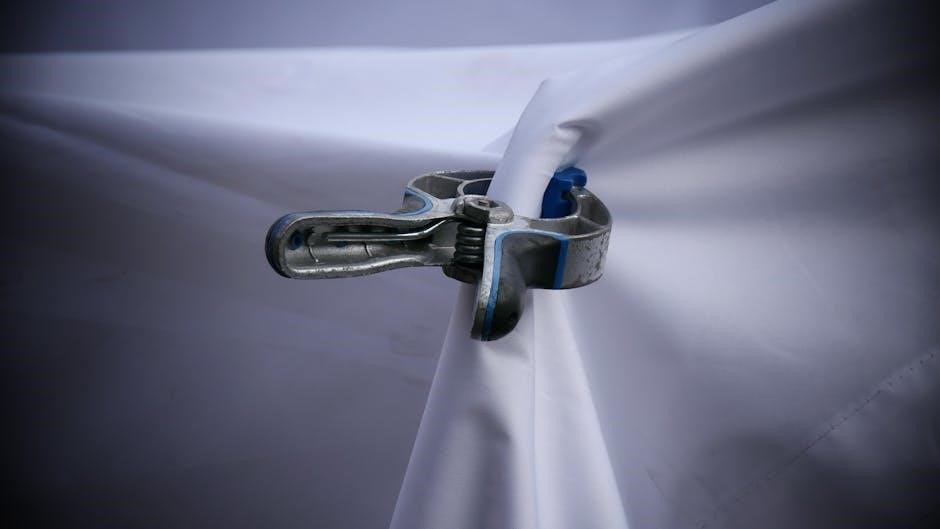
The bow of a rubber dam clamp is the curved portion that extends coronally, providing space for the rubber dam material. Its contour dictates how effectively the dam conforms to the tooth’s surface, creating a fluid-tight seal. The point, conversely, is the portion that initially contacts the tooth, guiding the clamp into position.
A well-defined point ensures accurate seating and minimizes trauma. Rubber’s polymer structure impacts bow flexibility and resilience. The interaction between bow shape and point sharpness influences engagement success. Occluded rubber within the material affects performance. Understanding these elements optimizes isolation.
Clamp Sizes and Corresponding Teeth
Rubber dam clamp sizing is crucial for effective isolation. Clamps aren’t universally sized; they correlate to specific tooth morphologies. Generally, smaller clamps (0-2) suit anterior teeth, while medium sizes (3-6) fit premolars. Larger clamps (7 and above) are designed for molars.
However, variations exist based on individual tooth anatomy. A clamp’s bow and point must properly engage without causing undue pressure. Natural rubber’s elasticity contributes to adaptable fit. Deproteinized natural rubber (DP-Poly) maintains dimensional stability. Accurate selection minimizes slippage and maximizes seal integrity.
How to Properly Apply a Rubber Dam Clamp
Proper clamp application ensures optimal isolation. Begin by selecting the correct size based on tooth morphology. Gently open the clamp jaws using a clamp opener. Carefully seat the clamp over the tooth, ensuring the bow embraces the gingival margin. Utilize a rubber dam punch to create a precise hole in the dam.
Stretch the rubber dam and invert it over the clamp. Ensure a tight seal by gently but firmly seating the dam. Natural rubber’s elasticity aids in adaptation. Avoid excessive force, which could damage tissues. Consistent technique minimizes errors and maximizes treatment efficacy.
Step-by-Step Clamp Application
Begin with tooth isolation assessment. Select the appropriate clamp size and type. Open the clamp jaws carefully with a clamp opener, avoiding distortion. Gently position the clamp over the tooth, ensuring the bow adapts to the gingival contour. Use a rubber dam punch to create a precise hole in the dam.
Invert the rubber dam over the clamp, stretching it slightly for better adaptation. Seat the dam firmly, ensuring a tight seal around the tooth. Natural rubber’s polymer structure aids in this process. Inspect for leakage and adjust as needed for optimal isolation.
Ensuring a Tight Seal

A tight seal is paramount for effective isolation. Check for any gaps between the rubber dam and the tooth surface, particularly around the gingival margin. Utilize a floss thread to gently tighten the dam around the tooth, creating a barrier against saliva. The occluded rubber contributes to seal integrity.

Consider using a rubber dam sealant where necessary to reinforce the seal. Deproteinized natural rubber (DP-Poly) offers enhanced purity and seal performance. Regularly inspect the dam during the procedure, addressing any leakage promptly to maintain a dry operative field and prevent contamination.
Common Mistakes to Avoid During Clamp Application
Incorrect clamp selection is a frequent error; ensure the chosen clamp matches tooth morphology. Avoid excessive force during application, which can damage tissues or the clamp itself. Failing to properly seat the clamp leads to leakage and compromised isolation. Neglecting to check for a tight seal before starting the procedure is detrimental.
Be mindful of the rubber’s properties – natural rubber contains proteins that can cause allergic reactions in some patients. Always inspect the clamp for damage before use. Remember, the sol and gel phases influence flexibility, impacting proper seating.

Dealing with Difficult Clamp Engagements
When clamps slip off, re-evaluate clamp size and tooth anatomy; a different clamp may be necessary. Ensure proper angulation and controlled force during placement. If a clamp doesn’t seat correctly, check for interferences like calculus or restoration overhangs. Gentle manipulation, not brute force, is key.
Consider the rubber’s elasticity – polymer structure impacts seating. Occluded rubber on the clamp surface can hinder proper engagement. Deproteinized natural rubber (DP-Poly) clamps may offer improved seating due to reduced protein interference. Remember, bonding rubber with metal requires careful consideration.
Clamps Slipping Off

Frequent clamp slippage often indicates an improper fit for the tooth’s morphology. Re-assess the clamp selection, potentially opting for a winged versus non-winged design, or a different size altogether. Ensure the rubber dam is adequately stretched and secured to the frame, providing consistent tension.
The presence of occluded rubber on the clamp’s surface can reduce friction, contributing to slippage. Consider clamps manufactured with deproteinized natural rubber (DP-Poly) for enhanced grip. Remember, rubber’s polymer structure and elasticity play a crucial role in maintaining secure engagement.
Clamps Not Seating Properly
Difficulty seating a clamp frequently stems from interferences like calculus, caries, or irregular tooth anatomy. Thoroughly examine the tooth and address any obstructions before attempting clamp placement. Confirm the jaw and point of the clamp align correctly with the tooth’s features;
Insufficient rubber dam stretch can also hinder proper seating. Ensure adequate tension to allow the clamp to fully engage. The sol and gel phases within the rubber material influence its flexibility; a stiffer clamp may require more force, potentially causing discomfort. Consider alternative clamp designs if persistent issues arise.
Rubber Dam Clamp Materials
Rubber dam clamps are predominantly crafted from stainless steel or plastic, each offering distinct advantages. Stainless steel clamps provide exceptional durability, resistance to corrosion, and allow for repeated sterilization—essential for infection control. They maintain their shape and clamping force over extended use.
Plastic clamps, conversely, offer improved visibility during placement due to their translucency. They are lighter and can be a suitable option for patients with metal sensitivities. However, plastic clamps may exhibit less rigidity and a shorter lifespan compared to their stainless steel counterparts, potentially requiring more frequent replacement.
Stainless Steel Clamps
Stainless steel clamps represent the gold standard in rubber dam isolation due to their exceptional robustness and longevity. Their inherent resistance to corrosion ensures they withstand repeated sterilization cycles – crucial for maintaining asepsis in dental procedures. This material’s durability translates to consistent clamping force, providing a reliable seal throughout treatment.
Furthermore, stainless steel’s metallic nature allows for precise shaping and manufacturing, resulting in clamps with accurate anatomical contours. While not translucent, their strength and reliability make them a preferred choice for most clinical scenarios, offering dependable performance and a long service life.
Plastic Clamps
Plastic clamps offer distinct advantages, primarily their transparency, allowing for clear visualization of the underlying tooth structure during procedures. This is particularly beneficial in cases requiring precise margin identification or when assessing composite shade matching. While generally less durable than stainless steel counterparts, modern plastic clamps exhibit improved strength and resilience.
They are often a lighter weight option, potentially enhancing patient comfort. However, their susceptibility to deformation under prolonged or excessive force must be considered. Plastic clamps are frequently employed in situations where visibility is paramount, offering a valuable alternative to metallic options.
Maintaining and Sterilizing Rubber Dam Clamps
Proper maintenance and sterilization of rubber dam clamps are crucial for preventing cross-contamination and ensuring longevity. Following each use, clamps should undergo thorough cleaning to remove debris and potential biofilm formation. This typically involves ultrasonic cleaning with an enzymatic solution, followed by a rinse with distilled water.
Sterilization is paramount and can be achieved through various methods, including autoclaving, dry heat sterilization, or chemical sterilization, adhering to established dental infection control protocols. Regular inspection for corrosion or damage is essential, and compromised clamps should be discarded to maintain patient safety and procedural efficacy.
Cleaning Procedures
Effective cleaning immediately after use is vital for rubber dam clamp maintenance. Initial rinsing under cool water removes gross debris. Subsequently, ultrasonic cleaning with an enzymatic detergent for a recommended duration – typically 5-10 minutes – dislodges microscopic particles and potential biofilm. Ensure the clamp is fully submerged in the solution.
Following ultrasonic cleaning, a thorough rinse with distilled or deionized water is essential to eliminate detergent residue. Inspect each clamp meticulously under magnification for any remaining debris or signs of corrosion. Proper cleaning prevents material degradation and ensures optimal performance during sterilization.
Sterilization Methods
Autoclaving remains the gold standard for sterilizing rubber dam clamps, utilizing steam under pressure. Recommended cycles typically involve 121°C (250°F) for 15-30 minutes, or 132°C (270°F) for 3-10 minutes, contingent on the autoclave model and manufacturer’s guidelines. Proper packaging in autoclave-safe pouches is crucial to maintain sterility.
Alternatively, chemical sterilization using validated liquid chemical sterilants can be employed, particularly for heat-sensitive clamps. However, meticulous rinsing with sterile water post-sterilization is paramount to remove chemical residues. Always adhere strictly to the sterilant’s instructions for contact time and concentration.
Rubber vs. Synthetic Rubber in Clamp Manufacturing
Natural rubber, derived from latex, historically dominated clamp production due to its exceptional elasticity and tensile strength. Its protein content contributes to unique structural properties, impacting clamp performance. However, concerns regarding latex allergies spurred exploration of synthetic rubber alternatives.
Synthetic rubbers, artificially polymerized, offer consistent properties and eliminate allergen risks. These polymers mimic natural rubber’s elasticity, providing comparable functionality in clamp design. Modern clamps frequently utilize synthetic options, balancing performance with patient safety. The choice depends on desired characteristics and manufacturing considerations.
Natural Rubber Properties in Dental Applications
Natural rubber’s polymeric structure, composed of long chain-like molecules, grants exceptional elasticity crucial for dental isolation. This inherent flexibility allows for a conforming seal around teeth, preventing saliva contamination. The material exhibits both sol and gel phases, influencing its adaptability and resilience during clamp application.
Furthermore, proteins within natural rubber contribute to its unique properties, potentially impacting rubber synthesis and particle structure. However, these proteins can also trigger allergic reactions. Understanding these characteristics is vital for selecting appropriate materials and ensuring patient comfort and safety during dental procedures.

Synthetic Rubber Alternatives and Their Benefits
Synthetic rubbers, artificially produced polymers, offer viable alternatives to natural rubber in dental clamp manufacturing, particularly for patients with latex allergies. These materials are created through monomer polymerization, providing customizable properties tailored for specific applications. They eliminate the risk of protein-induced allergic responses associated with natural rubber.
Benefits include enhanced resistance to degradation and consistent performance. Synthetic options can be engineered to mimic the elasticity of natural rubber while offering improved durability and reduced permeability. This ensures reliable isolation and a secure clamp fit, contributing to successful dental treatments.
The Role of Proteins in Rubber Dam Structure
Proteins within natural rubber, sourced from latex of plants like rubber trees and guayule, play a crucial role in particle structure and synthesis. These proteins, found similarly in various rubber sources, potentially share common functions. However, these proteins are also the primary allergen responsible for latex sensitivities in some patients.
The presence of proteins impacts rubber’s properties, influencing its elasticity and overall performance. Deproteinized natural rubber (DP-Poly) addresses allergy concerns by removing most ash and proteins, offering a hypoallergenic alternative while maintaining desirable material characteristics for dental clamp production.
Occluded Rubber and its Impact on Clamp Performance
Occluded rubber, also known as carbon gel, represents the rubber portion within an uncured compound that resists solvent extraction due to adsorption onto filler surfaces. This phenomenon significantly impacts the physical properties of the rubber dam material used in clamp manufacturing.
Higher levels of occluded rubber can enhance stiffness and tensile strength, potentially improving clamp retention and resistance to deformation during clinical use. However, excessive occlusion may reduce flexibility, potentially compromising the seal and increasing the risk of tissue impingement. Understanding this balance is crucial for optimal clamp design.
Deproteinized Natural Rubber (DP-Poly) in Clamp Production
Deproteinized natural rubber (DP-Poly) is a highly purified form of natural rubber, distinguished by the substantial removal of ash and proteins. This purification process alters the rubber’s characteristics, making it particularly valuable in specialized applications like dental clamp manufacturing.
DP-Poly exhibits enhanced consistency and reduced allergenicity compared to standard natural rubber. This is critical for minimizing potential hypersensitivity reactions in patients and dental professionals. Its improved purity also contributes to greater dimensional stability and resistance to degradation, resulting in more durable and reliable rubber dam clamps.
Rubber Polymer Structure and Elasticity
Rubber’s unique elasticity stems from its polymeric structure – long, chain-like molecules. These chains, when unconstrained, are coiled and disordered. Upon application of force, they stretch and align, but readily return to their original conformation when the force is removed.
This behavior is crucial for rubber dam clamp function, allowing them to conform tightly to tooth structures and maintain a secure seal. The absence of strong intermolecular forces between chains contributes to this flexibility. Understanding this structure is vital for appreciating how rubber responds to stress and strain during dental procedures.
Bonding Rubber with Other Materials in Clamp Design
Rubber dam clamps frequently integrate rubber with metals like steel or aluminum to leverage each material’s strengths. Chemical additives facilitate this bonding, enhancing stiffness and durability. This combination provides the necessary clamping force while maintaining the rubber’s adaptable sealing properties.
Effective bonding ensures the rubber remains securely affixed to the metallic framework, preventing detachment during use. The interaction between rubber polymers and the metal surface is critical for long-term performance and reliability of the clamp, contributing to optimal isolation during dental treatments.
Sol and Gel Phases in Natural Rubber and Clamp Flexibility
Natural rubber exhibits both sol and gel phases, influencing a rubber dam clamp’s flexibility and performance. The sol phase represents the fluid portion of the rubber, allowing for initial deformation, while the gel phase provides structural integrity and elastic recovery.
This dual nature is crucial for clamp adaptation to varying tooth morphologies. The balance between these phases dictates how well a clamp conforms to the tooth without causing undue stress or slippage. Understanding these phases aids in optimizing rubber formulations for enhanced clamp functionality and patient comfort during dental procedures.
Effective rubber dam isolation, achieved through diligent clamp selection and application, remains paramount for successful dental procedures. Understanding the nuances of clamp anatomy, material properties – including sol and gel phases within the rubber – and potential pitfalls is crucial.
Proper technique minimizes complications like slippage and ensures a tight seal, safeguarding both patient and practitioner. From stainless steel to synthetic alternatives, informed choices contribute to optimal performance. Consistent maintenance and sterilization protocols further extend clamp lifespan and uphold infection control standards, ultimately enhancing treatment outcomes.